
Ashok Singhal: BHU Alumni's Contribution to Hindu Activism
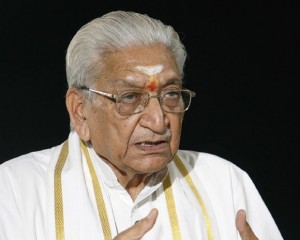
Ashok Singhal, a prominent leader and staunch advocate for Hindu causes, left an indelible mark on Indian society through his tireless activism. As a proud alumnus of Banaras Hindu University (BHU), Singhal's journey from student to influential leader is a testament to the transformative power of education. In this article, we explore Ashok Singhal's BHU years and his significant contribution to Hindu activism, which continues to resonate with millions of people across the nation.
Early Life and Education at BHU:
Ashok Singhal's formative years at Banaras Hindu University laid the foundation for his lifelong commitment to Hindu activism. BHU, with its rich cultural heritage and deep-rooted spiritual traditions, provided Singhal with an environment conducive to intellectual growth and ideological exploration. His time at BHU nurtured his passion for Hinduism and instilled in him a sense of pride in his cultural identity, shaping his worldview and guiding his future endeavors.
Emergence as a Leader:
Ashok Singhal's emergence as a leader in the realm of Hindu activism can be traced back to his early days at BHU. Inspired by the teachings of Hindu philosophy and the principles of social justice, Singhal became actively involved in student movements and grassroots initiatives aimed at promoting Hindu values and traditions. His leadership skills and unwavering commitment to the cause earned him the respect and admiration of his peers, laying the groundwork for his future role as a prominent voice in the Hindu community.
Founding of Vishva Hindu Parishad (VHP):
One of Ashok Singhal's most significant contributions to Hindu activism was the founding of the Vishva Hindu Parishad (VHP) in 1964. As a co-founder and subsequent leader of the VHP, Singhal played a pivotal role in mobilizing Hindu communities around the world and championing causes such as the protection of Hindu temples, the preservation of Hindu culture, and the promotion of religious harmony. Under his guidance, the VHP emerged as a formidable force in Indian politics, advocating for the rights and interests of Hindus on various social and political platforms.
Role in the Ayodhya Movement:
Ashok Singhal's name became synonymous with the Ayodhya movement, a historic campaign aimed at reclaiming the birthplace of Lord Rama and constructing a grand temple at the site. As the driving force behind the movement, Singhal spearheaded mass mobilization efforts, organized nationwide protests, and galvanized public support for the cause. His unwavering determination and steadfast leadership were instrumental in bringing the issue of the Ayodhya dispute to the forefront of national consciousness, ultimately leading to the construction of the Ram Mandir in Ayodhya.
Advocacy for Cultural Revival:
Throughout his life, Ashok Singhal remained a staunch advocate for the revival and preservation of Hindu culture and traditions. Through initiatives such as the Ghar Wapsi program and the Hindu Unity Day, Singhal sought to reconnect Hindus with their cultural roots and foster a sense of pride in their heritage. His efforts to promote cultural revival and religious reawakening have left a lasting impact on Hindu society, inspiring millions to embrace and celebrate their cultural identity.
Legacy and Influence:
Ashok Singhal's legacy as a champion of Hindu activism continues to resonate with millions of people across India and beyond. His unwavering commitment to the cause of Hinduism, coupled with his leadership skills and strategic vision, has left an indelible mark on Indian society. Singhal's contributions to Hindu activism have paved the way for greater recognition and respect for Hindu values and traditions, ensuring that future generations continue to uphold the principles of dharma and righteousness.
Reflections on BHU Years:
As we reflect on Ashok Singhal's BHU years, we recognize the profound impact that his education and experiences at the university had on shaping his identity as a Hindu activist. The values of integrity, service, and cultural pride instilled in him during his time at BHU served as guiding principles throughout his life, motivating him to dedicate himself to the cause of Hinduism and the welfare of the Hindu community.
Conclusion:
In conclusion, Ashok Singhal's BHU education played a significant role in shaping his identity as a Hindu activist and leader. His formative years at the university instilled in him a deep appreciation for Hindu culture and traditions, laying the groundwork for his lifelong commitment to promoting Hindu causes and values. As we celebrate Singhal's legacy and his enduring contribution to Hindu activism, we are reminded of the transformative power of education in empowering individuals to make a positive impact on society.