
Exploring Krishna Prasad Bhattarai's Varanasi Connection: Tracing His Political Journey
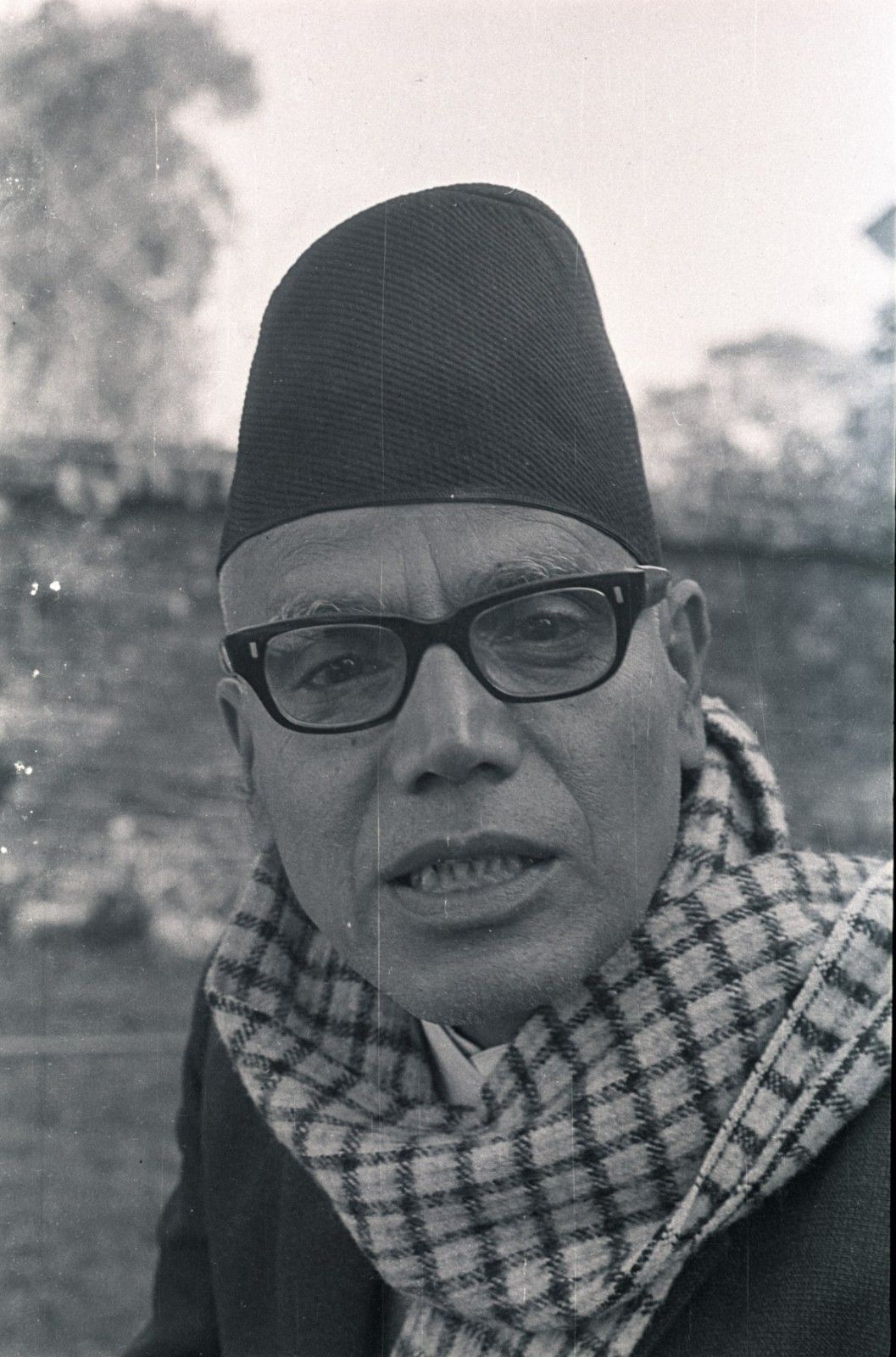
Krishna Prasad Bhattarai, a towering figure in Nepalese politics, shared a profound connection with the ancient city of Varanasi. His political journey, marked by leadership, statesmanship, and unwavering commitment to democratic ideals, was deeply influenced by his association with Varanasi. In this exploration, we delve into the Varanasi connection of Krishna Prasad Bhattarai, tracing his political journey and celebrating his contributions to the political landscape of Nepal.
Early Life and Education
Born on December 14, 1924, in Nepal, Krishna Prasad Bhattarai received his early education in Varanasi, known for its rich cultural heritage and academic excellence. His formative years in Varanasi instilled in him a deep appreciation for learning, critical thinking, and social consciousness. Inspired by the intellectual ferment of the city and the teachings of eminent scholars, he developed a keen interest in politics and social reform, laying the foundation for his future role as a statesman and leader.
Entry into Politics
Krishna Prasad Bhattarai's entry into politics coincided with a period of political upheaval and transition in Nepal. In the early years of his political career, he emerged as a vocal advocate for democratic governance and social justice, challenging the entrenched authoritarianism and feudal structures that dominated Nepalese society. His impassioned speeches, grassroots organizing, and advocacy for political reform earned him widespread respect and admiration among the Nepalese people, laying the groundwork for his future leadership roles.
Leadership and Statesmanship
Krishna Prasad Bhattarai's leadership qualities came to the fore during Nepal's transition to democracy in the late 20th century. As a founding member of the Nepali Congress party and a key figure in the democratic movement, he played a pivotal role in shaping the course of Nepalese politics. His statesmanship, integrity, and unwavering commitment to democratic ideals earned him the trust and confidence of both his colleagues and the general public. As Prime Minister of Nepal from 1990 to 1991, he implemented far-reaching reforms aimed at strengthening democratic institutions, promoting social justice, and fostering economic development.
Varanasi's Influence on Political Ideals
Krishna Prasad Bhattarai's association with Varanasi left an indelible imprint on his political ideals and governance philosophy. The city's ethos of pluralism, tolerance, and intellectual inquiry resonated deeply with his vision for a democratic and inclusive Nepal. Drawing inspiration from the democratic traditions of India and the teachings of political thinkers such as Mahatma Gandhi and Jawaharlal Nehru, he championed the cause of democratic governance, human rights, and social welfare in Nepal, seeking to build a society based on the principles of justice, equality, and fraternity.
Legacy and Contributions
Krishna Prasad Bhattarai's legacy in Varanasi and Nepal is characterized by his enduring contributions to democratic governance, social justice, and national development. His tenure as Prime Minister marked a period of unprecedented political openness and reform in Nepal, laying the foundation for the country's transition to a multiparty democracy. His statesmanship and political acumen continue to inspire future generations of leaders in Nepal and beyond, serving as a guiding light for those who aspire to uphold the principles of democracy, human rights, and good governance.
Celebrating Krishna Prasad Bhattarai's Varanasi Connection
In Varanasi, Krishna Prasad Bhattarai's Varanasi connection is celebrated with reverence and pride, with events, seminars, and symposiums dedicated to his memory and legacy. The Nepali community in Varanasi, as well as scholars and political enthusiasts, gather to reflect on his life and contributions, honoring his role as a statesman, leader, and champion of democratic values. Through these initiatives, his Varanasi connection is kept alive, serving as a reminder of the enduring bonds of friendship and cooperation between Nepal and India.
Conclusion
Krishna Prasad Bhattarai's Varanasi connection was instrumental in shaping his political journey and shaping his vision for Nepal's future. Inspired by the city's rich cultural heritage and intellectual traditions, he emerged as a beacon of hope and inspiration for the people of Nepal, leading the country towards a brighter and more prosperous future. As we explore his Varanasi connection and trace his political journey, we celebrate Krishna Prasad Bhattarai's legacy as a statesman, leader, and visionary whose contributions continue to resonate in the hearts and minds of people across Nepal and beyond.