
Exploring Mannu Bhandari's BHU Years and Writing Career
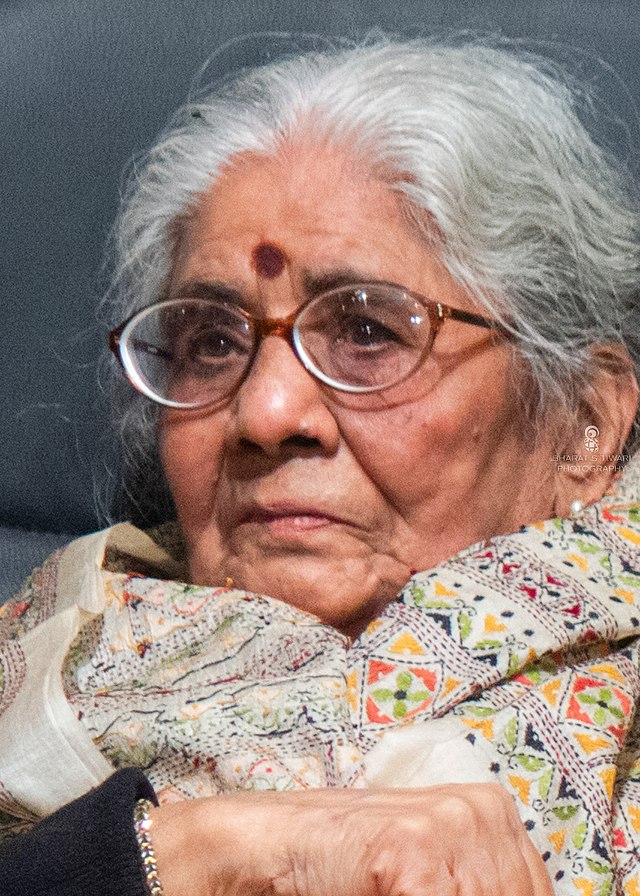
Mannu Bhandari, a renowned figure in Hindi literature, embarked on her illustrious writing career after her formative years at Banaras Hindu University (BHU). In this article, we delve into Mannu Bhandari's BHU years and explore how they influenced her remarkable journey as a prolific writer, shaping the landscape of Indian literature.
Early Life and Education at BHU:
Mannu Bhandari's literary journey began during her undergraduate studies at Banaras Hindu University, where she immersed herself in the vibrant cultural and intellectual environment of the campus. BHU, with its rich tradition of literary discourse and academic excellence, provided Bhandari with the perfect platform to nurture her passion for writing. Her years at BHU were marked by exploration, intellectual stimulation, and a deepening appreciation for the power of storytelling.
Literary Influences and Inspiration:
Mannu Bhandari's BHU education exposed her to a diverse range of literary influences, from classical Hindi literature to modernist movements. The university's emphasis on interdisciplinary learning and critical thinking encouraged Bhandari to explore different genres and styles of writing. Inspired by the works of renowned authors and poets, Bhandari honed her craft, developing a unique voice and perspective that would distinguish her as a prominent figure in Indian literature.
Pioneering Writing Career:
Mannu Bhandari's writing career took off in the 1960s, with the publication of her debut novel "Aapka Banti." The novel, acclaimed for its nuanced portrayal of female identity and societal norms, marked the beginning of Bhandari's exploration of feminist themes in her writing. Subsequent works such as "Mahabhoj" and "Yahi Sach Hai" further solidified her reputation as a fearless storyteller unafraid to confront taboo subjects and challenge conventional narratives.
Influence on Indian Literature:
Mannu Bhandari's contributions to Hindi literature have been profound, as her novels and short stories have resonated with readers across generations. Through her vivid characters and incisive observations, Bhandari has captured the complexities of human relationships and the evolving dynamics of Indian society. Her exploration of gender roles, identity, and social justice has enriched the literary landscape of India, inspiring readers and writers alike to engage with pressing issues of our time.
Recognition and Awards:
Mannu Bhandari's literary achievements have been recognized with numerous awards and accolades, including the prestigious Sahitya Akademi Award for her novel "Aapka Banti." The award, bestowed by the National Academy of Letters, reaffirmed Bhandari's status as a leading voice in Hindi literature and brought her work to a wider audience. Additionally, her contributions to feminist discourse and social commentary have earned her acclaim from critics and scholars, cementing her legacy as a trailblazer in Indian letters.
Continued Legacy:
Mannu Bhandari's BHU years played a formative role in shaping her writing career, instilling in her the values of creativity, intellectual curiosity, and social awareness. Today, her legacy lives on through her timeless stories and enduring influence on Indian literature. As readers continue to discover and engage with her work, Bhandari's voice remains a powerful reminder of the transformative power of storytelling and the enduring relevance of literature in our lives.
Conclusion:
In conclusion, Mannu Bhandari's BHU education laid the foundation for her remarkable writing career, providing her with the skills, inspiration, and confidence to become one of the most celebrated authors in Hindi literature. Her formative years at BHU shaped her worldview, informed her artistic sensibilities, and nurtured her commitment to social justice and equality. As we explore Bhandari's BHU years and writing career, we gain insights into the transformative potential of education in fostering creativity, empathy, and intellectual engagement.