
Exploring Robert M. Pirsig's BHU Years and Philosophical Journey
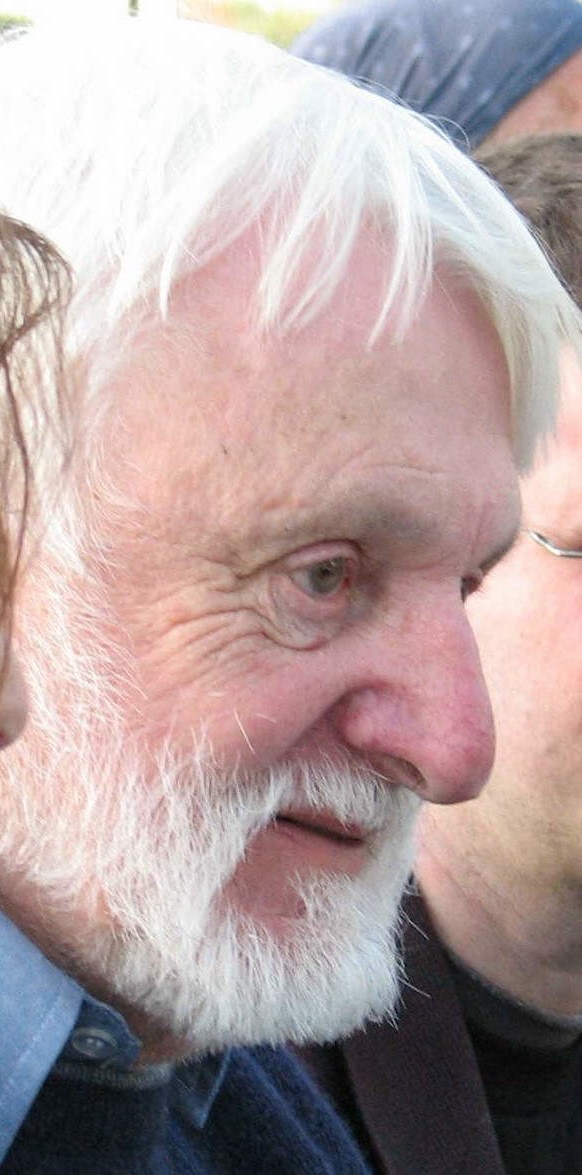
Robert M. Pirsig, acclaimed author of "Zen and the Art of Motorcycle Maintenance," embarked on a profound philosophical journey that was deeply influenced by his formative years at Banaras Hindu University (BHU). In this article, we delve into Pirsig's BHU years and trace the evolution of his philosophical ideas, which continue to inspire readers and thinkers around the world.
Early Life and Education at BHU:
Robert M. Pirsig's intellectual journey began during his undergraduate studies at Banaras Hindu University. BHU, with its rich tapestry of intellectual traditions and spiritual heritage, provided Pirsig with a fertile ground for philosophical exploration. His years at BHU were marked by a deep engagement with Eastern philosophy, particularly the concepts of Zen Buddhism and the Bhagavad Gita, which would profoundly shape his worldview and philosophical outlook.
Influence of BHU Education:
The intellectual ferment of BHU played a pivotal role in shaping Robert M. Pirsig's philosophical journey. Inspired by the ancient wisdom of India and the teachings of his professors, Pirsig embarked on a quest for truth and meaning that would culminate in his seminal work, "Zen and the Art of Motorcycle Maintenance." The interdisciplinary nature of BHU's curriculum and its emphasis on holistic learning provided Pirsig with the tools to synthesize Eastern and Western philosophical traditions, paving the way for his groundbreaking insights into the nature of quality and reality.
Philosophical Exploration:
Robert M. Pirsig's BHU years were characterized by a relentless pursuit of philosophical truth and intellectual inquiry. His encounters with Eastern philosophy, coupled with his background in Western philosophy, led him to question the conventional dichotomy between science and mysticism, reason and intuition. Pirsig's philosophical odyssey took him on a transformative journey of self-discovery, as he grappled with fundamental questions about the nature of existence, morality, and the human condition.
Zen and the Art of Motorcycle Maintenance:
The culmination of Robert M. Pirsig's philosophical journey came with the publication of "Zen and the Art of Motorcycle Maintenance" in 1974. Drawing on his experiences as a motorcycle enthusiast and his deep insights into Eastern and Western philosophy, Pirsig crafted a unique narrative that transcended traditional genres and challenged readers to reconsider their assumptions about the nature of reality and the pursuit of quality in life. The book's profound philosophical insights and poetic prose struck a chord with readers around the world, making it an enduring classic of contemporary literature.
Philosophical Concepts and Legacy:
Robert M. Pirsig's BHU years left an indelible mark on his philosophical outlook and literary legacy. Concepts such as "quality," "metaphysics of quality," and "the art of motorcycle maintenance" continue to resonate with readers and philosophers alike, sparking new avenues of philosophical inquiry and intellectual exploration. Pirsig's legacy extends beyond the pages of his books, as his ideas continue to inspire individuals to question, reflect, and seek meaning in an increasingly complex world.
Conclusion:
In conclusion, Robert M. Pirsig's BHU years played a crucial role in shaping his philosophical journey and intellectual development. Inspired by the rich philosophical traditions of India and the interdisciplinary ethos of BHU, Pirsig forged a path that transcended traditional boundaries and challenged conventional wisdom. His seminal work, "Zen and the Art of Motorcycle Maintenance," stands as a testament to the transformative power of philosophical inquiry and the enduring legacy of intellectual exploration.