
Exploring the Sacredness of Mahashivratri in Varanasi: Significance and Legends
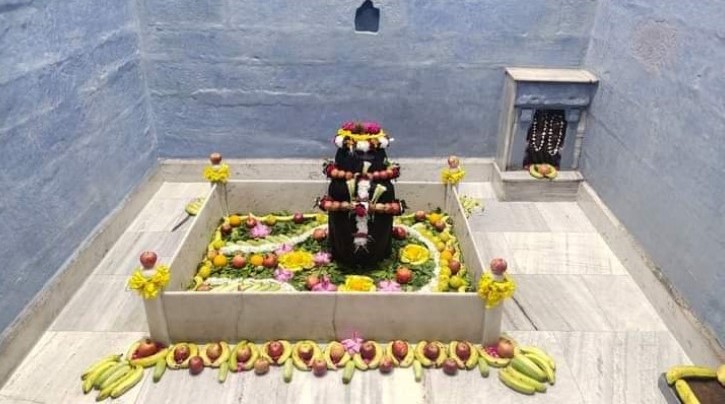
Mahashivratri, the Great Night of Lord Shiva, holds profound significance in Hindu mythology and is celebrated with unparalleled fervor in the ancient city of Varanasi. As devotees converge on the ghats and temples of Varanasi to honor the divine union of Shiva and Shakti, the city comes alive with spiritual energy and cultural vibrancy. In this comprehensive guide, we delve into the sacredness of Mahashivratri in Varanasi, exploring its significance, unraveling timeless legends, and capturing the essence of this revered festival.
Significance of Mahashivratri:
Mahashivratri, which translates to "the Great Night of Shiva," is celebrated annually in honor of Lord Shiva, the destroyer and transformer in the Hindu Trinity. Observed on the 14th day of the dark fortnight in the month of Phalguna (February-March), Mahashivratri holds immense spiritual significance for devotees worldwide. It is believed that on this auspicious night, Lord Shiva performed the cosmic dance of creation, preservation, and destruction.
For believers, Mahashivratri is not merely a religious observance but a profound spiritual journey toward self-realization and enlightenment. It is a time for devotees to immerse themselves in prayer, meditation, and introspection, seeking the blessings of Lord Shiva for inner strength, wisdom, and liberation from the cycle of birth and death.
Legends Associated with Mahashivratri:
Mahashivratri is steeped in timeless legends that illuminate the divine nature of Lord Shiva and his significance in Hindu mythology. One of the most revered legends is the marriage of Lord Shiva and Goddess Parvati, which is believed to have taken place on this auspicious day. According to mythological accounts, Goddess Parvati performed intense penance and won the heart of Lord Shiva, who agreed to marry her on the night of Mahashivratri.
Another popular legend associated with Mahashivratri is the tale of the churning of the ocean (Samudra Manthan), wherein gods and demons churned the cosmic ocean to obtain the nectar of immortality (amrit). During this cosmic event, Lord Shiva is said to have consumed the poison (halahala) that emerged from the ocean, thereby saving the world from destruction. As a result, Mahashivratri is also known as the day when Lord Shiva saved the universe from annihilation.
Celebrations and Rituals in Varanasi:
In Varanasi, Mahashivratri is celebrated with unparalleled grandeur, drawing pilgrims and devotees from all corners of the country. The ghats of Varanasi, especially the revered Kashi Vishwanath Temple, come alive with the chanting of prayers, recitation of hymns, and elaborate rituals dedicated to Lord Shiva.
Devotees undertake special rituals such as bathing in the sacred waters of the Ganges River, offering prayers at temples, and observing fasts as a mark of devotion. Throughout the day and night, Varanasi resonates with the sound of bells, conch shells, and devotional songs, creating an atmosphere of divine bliss and spiritual ecstasy.
The spiritual significance of Mahashivratri in Varanasi extends beyond religious rituals to encompass cultural performances, spiritual discourses, and vibrant processions that showcase the city's rich heritage and tradition. It is a time when devotees come together to celebrate the eternal presence of Lord Shiva and seek his divine blessings for prosperity, peace, and spiritual enlightenment.
Conclusion:
Mahashivratri in Varanasi is more than just a religious festival; it is a celebration of faith, devotion, and spiritual awakening. As devotees flock to the ghats and temples of this ancient city to pay homage to Lord Shiva, they partake in a timeless tradition that transcends earthly boundaries and connects them to the divine realm. Through rituals, legends, and cultural festivities, Mahashivratri in Varanasi becomes a transformative experience, guiding devotees on a sacred journey toward self-discovery, inner peace, and ultimate liberation.