
From Loom to Loom: Understanding the Process of Creating Varanasi Silk and Bhadohi Carpets
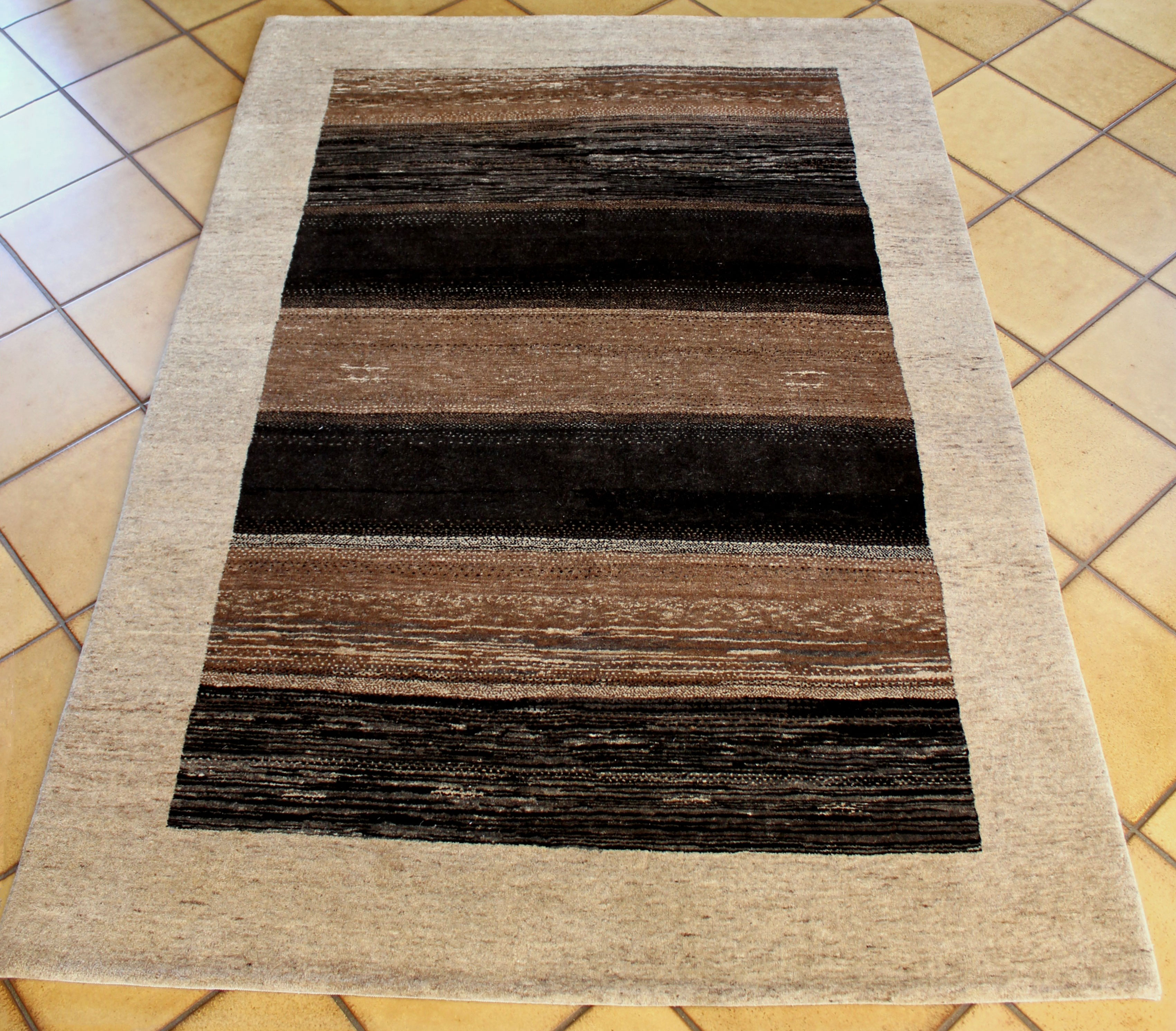
In the heartlands of northern India, where tradition and craftsmanship intertwine, lie the cities of Varanasi and Bhadohi, revered for their centuries-old mastery in the art of silk weaving and carpet making. From the intricate designs of Banarasi silk sarees to the exquisite patterns adorning Bhadohi carpets, these crafts tell stories of heritage, skill, and dedication, passed down through generations.
Varanasi Silk Weaving: A Time-Honored Tradition
Varanasi, often referred to as the "City of Light," is not only renowned for its spiritual significance but also for its luxurious silk textiles. The journey of Varanasi silk begins with the careful selection of the finest silk threads, sourced from silkworms nurtured in the region. These threads, known for their lustrous sheen and strength, form the foundation of Banarasi sarees, dupattas, and fabric.
The process of silk weaving in Varanasi is a labor-intensive art, requiring precision and patience at every step. It all begins at the handloom, where skilled artisans meticulously set up the warp and weft threads, creating the framework for the intricate designs to come to life. Each motif, whether it be the iconic brocade patterns or delicate floral motifs, is woven with utmost care, often using traditional techniques passed down through generations.
Bhadohi Carpets: The Epitome of Elegance and Craftsmanship
Nestled in the carpet belt of Uttar Pradesh, Bhadohi stands as a testament to the timeless art of carpet making. Renowned worldwide for its exquisite hand-knotted rugs, Bhadohi boasts a rich heritage of craftsmanship dating back centuries. The journey of a Bhadohi carpet begins with the selection of high-quality wool or silk yarns, dyed to perfection using natural or synthetic dyes.
At the hands of skilled artisans, the process of carpet making in Bhadohi unfolds with meticulous precision. Each knot is tied by hand, with artisans weaving intricate patterns and motifs with deft expertise. From the traditional Persian designs to modern interpretations, Bhadohi carpets showcase a diverse range of styles, reflecting the region's cultural mosaic and artistic ingenuity.
The Journey from Loom to Loom
The journey from loom to loom encapsulates the essence of Varanasi silk and Bhadohi carpets, each step imbued with tradition, innovation, and artistry. While the crafts may seem distinct, they share a common thread of dedication to preserving heritage and creating timeless works of art.
-
Selection of Raw Materials: Both Varanasi silk and Bhadohi carpets begin with the careful selection of raw materials – be it silk threads for weaving or wool/silk yarns for carpet making. Quality is paramount, ensuring that the final product exudes elegance and durability.
-
Design and Preparation: Before the weaving or knotting process begins, artisans meticulously plan the design, taking inspiration from tradition, nature, or contemporary trends. In Varanasi, designs are often sketched on graph paper, while in Bhadohi, artisans may use intricate templates or draw inspiration from memory.
-
Setting Up the Loom: The loom serves as the canvas for creation, whether it's the handloom in Varanasi or the vertical loom in Bhadohi. Skilled hands carefully set up the warp and weft threads, laying the foundation for the masterpiece to unfold.
-
Weaving or Knotting: This is where the magic happens – where threads intertwine and patterns emerge. In Varanasi, weavers deftly maneuver the shuttle, creating the intricate motifs characteristic of Banarasi silk. Meanwhile, in Bhadohi, artisans meticulously tie each knot by hand, bringing to life the mesmerizing designs of the carpet.
-
Finishing Touches: Once the weaving or knotting is complete, the masterpiece undergoes a series of finishing touches. In Varanasi, sarees may be embellished with zari (metallic thread) or intricate embroidery, adding a touch of opulence. In Bhadohi, the carpet is meticulously trimmed, washed, and stretched to perfection, enhancing its texture and appearance.
Conclusion: Celebrating Craftsmanship and Tradition
In Varanasi and Bhadohi, the journey from loom to loom is not just a process – it's a celebration of craftsmanship, tradition, and artistry. From the shimmering silk sarees adorning brides to the majestic carpets gracing palaces and homes, these crafts embody the timeless beauty of Indian textiles.
As we unravel the intricacies of Varanasi silk and Bhadohi carpets, we discover more than just fabrics and rugs – we uncover stories of resilience, creativity, and cultural heritage. From the hands of artisans to the hearts of admirers worldwide, the legacy of Varanasi and Bhadohi crafts continues to weave its magic, bridging the past with the present and inspiring generations to come.