
History and Significance of Pandit Deen Dayal Upadhyaya Junction Railway Station
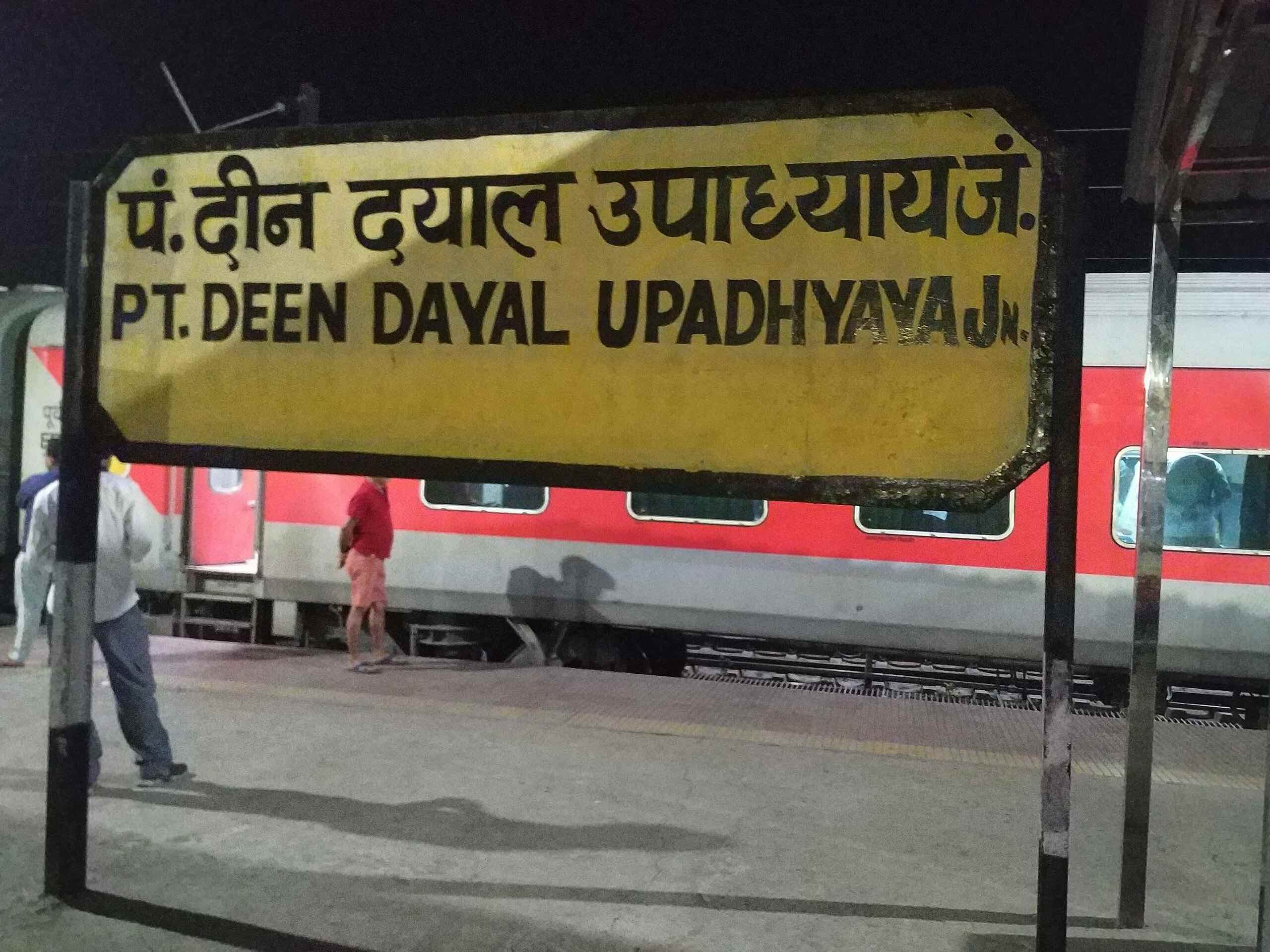
Pandit Deen Dayal Upadhyaya Junction, formerly known as Mughalsarai Junction, is a major railway station located in the city of Mughalsarai, Uttar Pradesh. With its strategic position and rich history, this railway station plays an essential role in connecting Northern India with various regions across the country. The station is named after Pandit Deen Dayal Upadhyaya, a renowned Indian philosopher, politician, and economist, whose legacy continues to influence India's political landscape.
History of Pandit Deen Dayal Upadhyaya Junction
The history of Pandit Deen Dayal Upadhyaya Junction dates back to the British colonial period when it was originally named Mughalsarai Junction. It was established in the year 1862 as part of the East Indian Railway (EIR) network, which aimed to connect key cities and towns in the eastern part of India. Mughalsarai quickly emerged as a prominent railway junction due to its strategic location and connectivity to important cities like Varanasi, Allahabad, and Calcutta (now Kolkata). Over time, it became one of the busiest and most vital railway hubs in Uttar Pradesh.
During the early 20th century, Mughalsarai Junction witnessed several infrastructural developments to meet the growing demands of passengers and goods transport. The station's significance grew not just due to its rail connectivity, but also because it became an important node for the transportation of agricultural produce and goods from the region to other parts of the country.
After independence, Mughalsarai Junction continued to thrive as a major railway station in Uttar Pradesh. It served as a crucial stop for several trains traveling between the north and the south of India. The station played an instrumental role during the development of the Indian Railways in the post-independence period, facilitating smoother transportation of goods and passengers across regions.
Renaming to Pandit Deen Dayal Upadhyaya Junction
The decision to rename Mughalsarai Junction to Pandit Deen Dayal Upadhyaya Junction was announced in 2018 by the Government of India, as a tribute to the life and contributions of the prominent Indian philosopher, economist, and political leader Pandit Deen Dayal Upadhyaya. This renaming was symbolic of the respect the country holds for Upadhyaya’s work and ideology, particularly his vision of Integral Humanism, which emphasized the need for a balanced and holistic approach to social, economic, and political development.
Pandit Deen Dayal Upadhyaya was a staunch advocate for the upliftment of rural India, and his efforts in promoting self-reliance and decentralization are deeply embedded in India’s political philosophy. His association with the Bharatiya Janata Party (BJP), as well as his focus on India's cultural and political renaissance, makes him a significant figure in modern Indian history. Renaming the station not only acknowledges his legacy but also highlights the station's importance as a key transit point for millions of passengers.
Significance of Pandit Deen Dayal Upadhyaya Junction
Pandit Deen Dayal Upadhyaya Junction holds immense significance in the Indian railway network for several reasons. Its strategic location, historical importance, and modern-day role in facilitating transportation make it one of the most crucial railway stations in India.
1. Strategic Location
Pandit Deen Dayal Upadhyaya Junction is located in close proximity to Varanasi, one of the holiest cities in India. Varanasi is a major cultural and religious hub, attracting millions of tourists and pilgrims annually. The station's role in connecting Varanasi to various parts of the country cannot be overstated. Trains originating or passing through the station connect it to cities such as New Delhi, Kolkata, Mumbai, and Chennai, making it an essential point of access for travelers to and from Varanasi.
2. Important Rail Hub
The station is a key junction in the Indian Railways system. It serves as a central point for several important railway lines, connecting major destinations in the eastern, northern, and central parts of India. The station is a vital node for trains traveling to cities like Lucknow, Kanpur, Patna, and Kolkata. It handles a substantial amount of freight traffic, contributing significantly to the region’s economy.
With over 200 trains passing through Pandit Deen Dayal Upadhyaya Junction every day, it remains one of the busiest stations in the country. The station's infrastructure, including multiple platforms and well-developed amenities, enables the smooth operation of these trains and the efficient management of passenger traffic.
3. Economic Importance
Pandit Deen Dayal Upadhyaya Junction plays a key role in the economic development of Uttar Pradesh and India as a whole. The station is a crucial part of the freight and logistics network, facilitating the transportation of goods such as agricultural products, minerals, and industrial goods. This contributes to the region’s economic growth by providing a reliable transportation network for businesses and industries.
Moreover, the station supports local businesses and the tourism industry in Varanasi and the surrounding areas. Thousands of tourists, pilgrims, and business travelers pass through this station every year, providing a steady stream of revenue to the local economy.
4. Improved Passenger Amenities
Over the years, Pandit Deen Dayal Upadhyaya Junction has undergone significant upgrades and modernization efforts. The station now boasts improved passenger amenities, such as waiting areas, food courts, clean toilets, Wi-Fi services, and enhanced ticketing facilities. The Indian Railways has undertaken several initiatives to make the station more passenger-friendly, ensuring a comfortable and hassle-free travel experience for all passengers.
5. Connectivity to the Religious and Cultural Capital
As Varanasi is considered the spiritual and cultural capital of India, Pandit Deen Dayal Upadhyaya Junction serves as a gateway to this historic city. Millions of pilgrims visit Varanasi every year to bathe in the holy Ganges River, visit the Kashi Vishwanath Temple, and experience the rich cultural heritage of the city. The station’s connectivity ensures that travelers from all parts of the country have easy access to the city.
Conclusion
Pandit Deen Dayal Upadhyaya Junction Railway Station holds an important place in the history and growth of Indian Railways. From its origins as Mughalsarai Junction to its renaming in honor of a great political leader, the station has seen significant changes over the years. Today, it stands as a vital hub for travelers and freight, linking the eastern part of India to the rest of the country.
The station’s historical importance, strategic location, and continued contribution to India's transportation infrastructure make it a key player in the development of the nation. Whether for economic purposes, religious significance, or its role as a transit hub, Pandit Deen Dayal Upadhyaya Junction Railway Station continues to serve as a cornerstone of the Indian Railways network.