
Lal Bahadur Shastri: The Varanasi Boy Who Became a National Icon
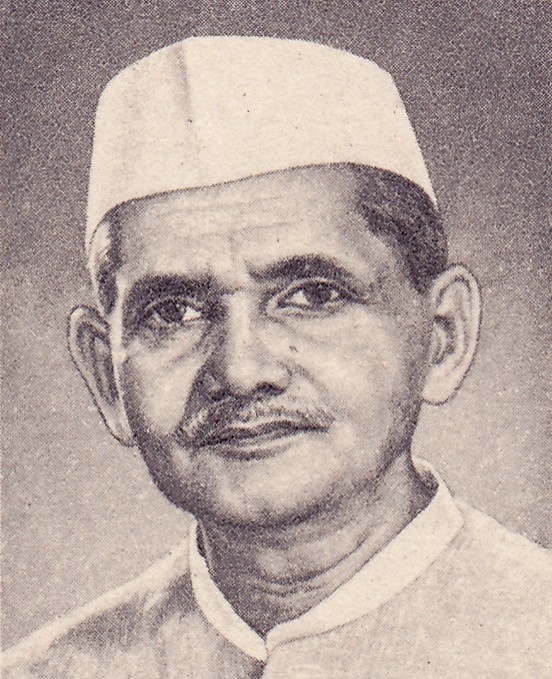
Lal Bahadur Shastri, a name etched in the annals of Indian history, rose from humble beginnings in Varanasi to become one of the most revered leaders of independent India. His journey from the narrow alleys of Varanasi to the corridors of power in New Delhi is a testament to his unwavering dedication, integrity, and leadership prowess. In this article, we delve into the life, achievements, and enduring legacy of Lal Bahadur Shastri, the Varanasi boy who became a national icon.
Early Life in Varanasi:
Born on October 2, 1904, in the Mughalsarai suburb of Varanasi, Lal Bahadur Shastri was raised in a simple, middle-class family. His father, Sharada Prasad Shrivastava, was a school teacher, instilling in young Lal Bahadur values of honesty, humility, and hard work. Growing up amidst the spiritual and cultural milieu of Varanasi, Shastri imbibed the essence of India's rich heritage, which would later shape his vision for the nation.
Education and Struggles:
Despite facing financial constraints, Shastri's thirst for knowledge led him to excel academically. He completed his education from the East Central Railway Inter College in Varanasi and later graduated with a degree in Philosophy from the Kashi Vidyapeeth. The struggle for independence ignited Shastri's passion for social justice and freedom, prompting him to actively participate in the non-cooperation movement led by Mahatma Gandhi.
Political Journey:
Shastri's foray into politics began in the early 1920s when he joined the Indian independence movement. His organizational skills and dedication caught the attention of senior leaders, and he quickly rose through the ranks of the Indian National Congress. Shastri played a pivotal role in mobilizing support for the Quit India Movement in 1942, earning him the respect of colleagues and adversaries alike.
Leadership during Turbulent Times:
Lal Bahadur Shastri's true test of leadership came during his tenure as the Prime Minister of India from 1964 to 1966. Faced with formidable challenges, including food scarcity and the Indo-Pakistani War of 1965, Shastri displayed remarkable resolve and fortitude. His famous slogan "Jai Jawan Jai Kisan" (Hail the soldier, Hail the farmer) became the rallying cry for national unity and self-sufficiency, inspiring millions across the country.
Legacy and Impact:
Despite his brief tenure, Lal Bahadur Shastri's legacy continues to inspire generations of Indians. His emphasis on simplicity, honesty, and service to the nation remains relevant in today's complex world. Shastri's commitment to social equality and empowerment laid the foundation for India's progress as a democratic and inclusive society. His untimely demise in Tashkent in 1966 may have cut short his earthly journey, but his ideals and principles endure as guiding beacons for the nation.
Conclusion:
Lal Bahadur Shastri, the Varanasi boy who became a national icon, exemplified the virtues of integrity, humility, and selflessness. From his modest upbringing in Varanasi to his ascension as the Prime Minister of India, Shastri's life story is a testament to the power of determination and leadership. As we honor his memory and celebrate his contributions, let us draw inspiration from his timeless wisdom and continue to strive for a better, more just society.