
Man Mandir Ghat: Exploring the Heritage of Varanasi's Riverfront
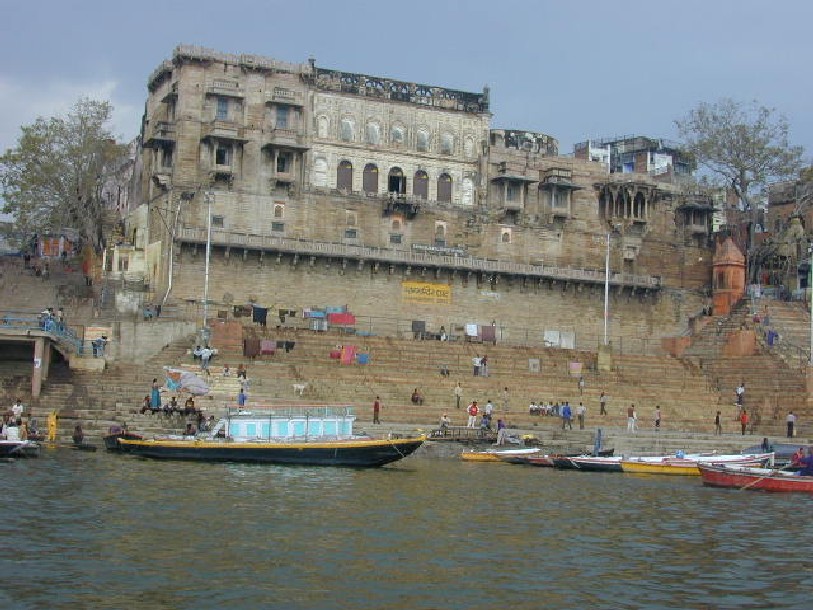
Nestled along the sacred banks of the Ganges River in Varanasi, Man Mandir Ghat stands as a testament to the rich heritage and cultural significance of India's oldest living city. This iconic riverfront destination captivates visitors with its architectural splendor, spiritual ambiance, and centuries-old traditions that have been woven into the fabric of Varanasi's cultural tapestry. Join us on a journey to explore the heritage of Varanasi's riverfront at Man Mandir Ghat, where history, spirituality, and tradition converge in a mesmerizing spectacle.
Historical Origins:
Man Mandir Ghat traces its origins back to the 16th century when it was commissioned by Maharaja Man Singh of Amber during the reign of Mughal Emperor Akbar. The ghat, named after the Maharaja, served as a royal bathing ghat and a center of cultural patronage, attracting scholars, poets, and artists from far and wide. Over the centuries, Man Mandir Ghat has evolved into a symbol of Varanasi's rich architectural and cultural heritage.
Architectural Splendor:
At the heart of Man Mandir Ghat's heritage lies its magnificent architecture, characterized by ornate balconies, intricately carved facades, and towering minarets that overlook the Ganges River. The ghat's centerpiece is the Man Mandir Palace, a grand sandstone structure adorned with exquisite frescoes, marble carvings, and latticed windows that reflect the grandeur of Mughal architecture.
Cultural Significance:
Man Mandir Ghat is steeped in cultural significance, serving as a hub for religious rituals, spiritual practices, and festive celebrations. Devotees flock to the ghat to perform sacred rituals such as bathing in the holy waters of the Ganges, offering prayers to the rising sun, and performing pujas (worship ceremonies) at the numerous shrines and temples that line the riverfront.
Spiritual Traditions:
The spiritual traditions of Varanasi come to life at Man Mandir Ghat, where pilgrims immerse themselves in the timeless rituals and customs that have been passed down through generations. From the chanting of Vedic hymns to the lighting of earthen lamps during evening aarti ceremonies, the ghat resonates with the sounds and sights of devotion, creating an atmosphere of spiritual fervor and reverence.
Pilgrimage Destination:
Man Mandir Ghat is not only a cultural landmark but also a revered pilgrimage destination for Hindus seeking spiritual purification and enlightenment. Pilgrims from all corners of India and beyond embark on the sacred journey to Varanasi to bathe in the purifying waters of the Ganges, perform ancestral rites, and seek blessings for spiritual liberation and eternal salvation.
Tourism and Heritage Conservation:
In recent years, Man Mandir Ghat has emerged as a popular tourist destination, attracting travelers, historians, and culture enthusiasts from around the world. Efforts are underway to preserve and restore the ghat's architectural heritage and cultural legacy, ensuring that future generations can continue to marvel at its timeless beauty and significance.
Conclusion:
In conclusion, Man Mandir Ghat epitomizes the heritage of Varanasi's riverfront, serving as a living testament to the city's rich cultural and spiritual legacy. From its majestic architecture to its vibrant traditions, the ghat encapsulates the essence of Varanasi's timeless allure and mystique. As visitors explore the heritage of Varanasi's riverfront at Man Mandir Ghat, they embark on a journey through centuries of history, spirituality, and tradition, discovering the soul of India's oldest living city along the sacred banks of the Ganges River.