
Sankat Mochan Temple: Preserving Cultural Heritage and Tradition in Varanasi
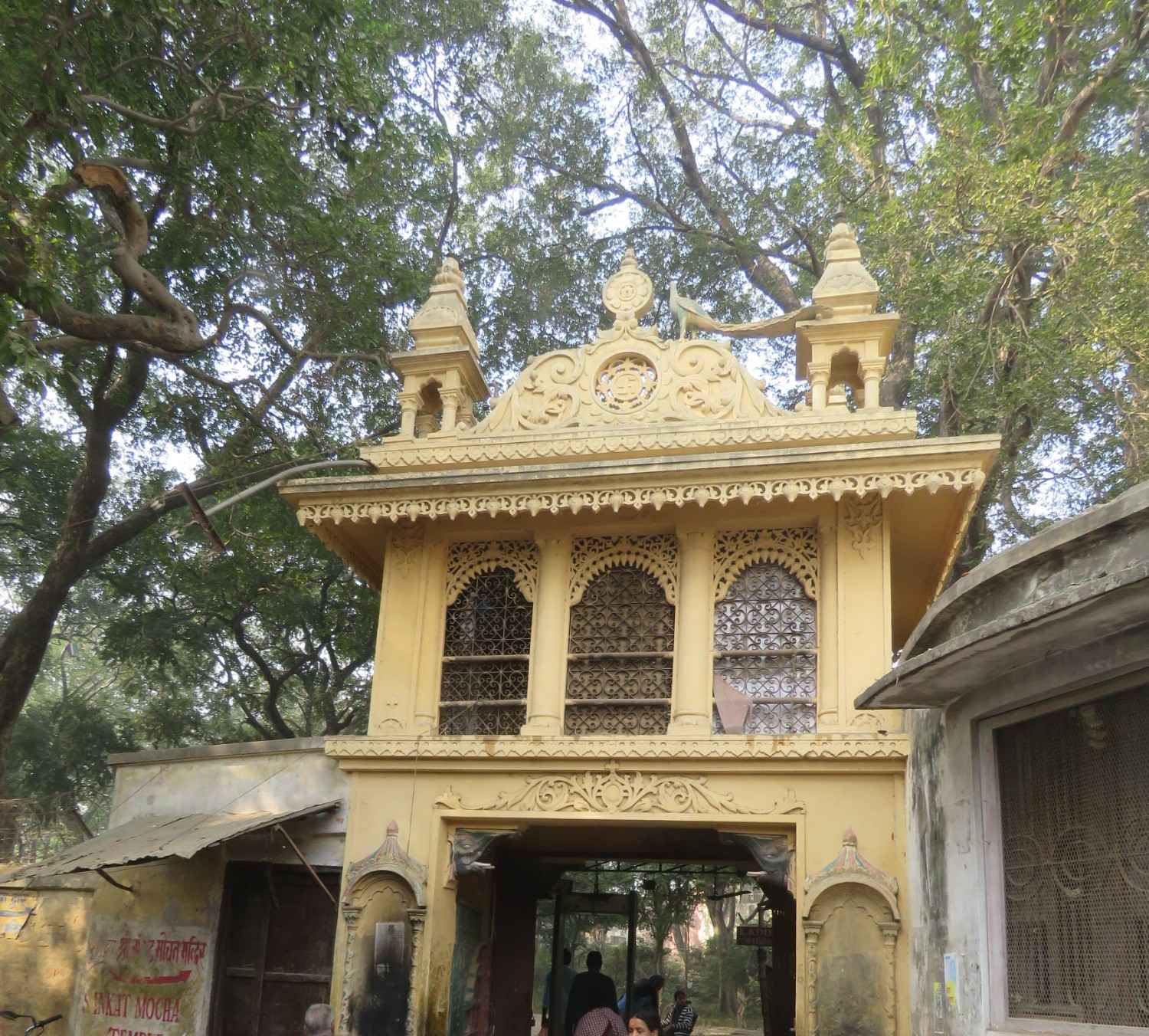
Nestled amidst the ancient city of Varanasi, Sankat Mochan Temple stands as a beacon of tradition and spirituality, preserving the rich cultural heritage of this sacred land. With its storied history, architectural splendor, and enduring significance in Hinduism, the temple plays a vital role in safeguarding the cultural legacy of Varanasi. In this exploration, we delve into the profound impact of Sankat Mochan Temple in preserving cultural heritage and tradition in Varanasi.
1. Historical Legacy
Sankat Mochan Temple traces its origins back centuries, with its foundation rooted in the annals of Varanasi's history. Founded by the revered Hindu saint, Goswami Tulsidas, in the 16th century, the temple has served as a spiritual haven for devotees seeking solace and divine intervention. Over the years, it has weathered the passage of time and witnessed the ebb and flow of Varanasi's fortunes, emerging as a timeless symbol of faith and resilience.
2. Architectural Splendor
The architectural beauty of Sankat Mochan Temple is a testament to the skill and craftsmanship of India's ancient artisans. Adorned with intricate carvings, colorful frescoes, and towering spires, the temple's design reflects the classical style of North Indian temple architecture. As worshippers enter its sacred precincts, they are greeted by the fragrance of incense, the sound of chanting, and the sight of sacred images, immersing themselves in the divine ambiance of the temple.
3. Spiritual Significance
Sankat Mochan Temple holds profound spiritual significance for Hindus, who revere it as a place of refuge from life's trials and tribulations. The name "Sankat Mochan" itself translates to "Reliever of Troubles," reflecting the belief that the deity enshrined within the temple, Lord Hanuman, has the power to alleviate suffering and bestow blessings upon devotees. Pilgrims from far and wide flock to the temple to offer prayers, seek divine intervention, and find solace in times of need.
4. Rituals and Traditions
The daily rituals and traditions observed at Sankat Mochan Temple form an integral part of its cultural heritage. Each day, priests perform elaborate ceremonies, including puja (worship), aarti (ritual offering of light), and bhajan (devotional singing), invoking the blessings of Lord Hanuman and other deities. These rituals not only connect worshippers to the divine but also serve to preserve age-old customs and practices handed down through generations.
5. Pilgrimage Destination
As one of the holiest sites in Varanasi, Sankat Mochan Temple attracts throngs of pilgrims and spiritual seekers throughout the year. Many undertake arduous journeys from distant corners of India to pay homage to Lord Hanuman and seek his divine grace. The temple's serene surroundings, tranquil atmosphere, and sacred ambiance provide the perfect setting for introspection, prayer, and communion with the divine.
6. Cultural Festivals and Celebrations
Throughout the year, Sankat Mochan Temple comes alive with vibrant festivals and celebrations that showcase the richness of Varanasi's cultural heritage. From the auspicious occasion of Hanuman Jayanti, commemorating the birth of Lord Hanuman, to the joyous festivities of Diwali, the festival of lights, the temple serves as a focal point for community gatherings, cultural performances, and religious observances. These celebrations not only foster a sense of unity and belonging among devotees but also contribute to the preservation of cultural traditions.
7. Community Engagement
Sankat Mochan Temple plays an active role in engaging with the local community and promoting social welfare initiatives. Through charitable endeavors such as providing free meals (prasad) to the needy, organizing medical camps, and supporting educational programs, the temple serves as a catalyst for positive change in Varanasi. By addressing the needs of the community and fostering a spirit of compassion and service, Sankat Mochan Temple embodies the essence of cultural preservation and social responsibility.
8. Environmental Conservation
In addition to its cultural and spiritual endeavors, Sankat Mochan Temple is committed to environmental conservation and sustainability. Efforts are underway to promote eco-friendly practices, such as tree planting, waste management, and water conservation, within the temple premises and surrounding areas. By raising awareness about environmental issues and encouraging responsible stewardship of natural resources, the temple seeks to uphold the values of reverence for nature inherent in Hindu philosophy.
Conclusion
In conclusion, Sankat Mochan Temple stands as a guardian of cultural heritage and tradition in Varanasi, preserving the spiritual legacy of this ancient city for future generations. Through its historical legacy, architectural splendor, spiritual significance, and community engagement, the temple continues to inspire devotion, foster unity, and uphold the values of faith, compassion, and service. As a sacred sanctuary and a symbol of resilience, Sankat Mochan Temple exemplifies the enduring power of culture to enrich lives, strengthen communities, and transcend boundaries.