
Understanding Colin Turnbull's BHU Education: Influence on His Ethnographic Research
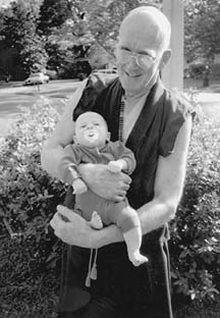
Colin Turnbull, a renowned anthropologist, embarked on his pioneering ethnographic research journey after his formative years at Banaras Hindu University (BHU). In this article, we delve into Turnbull's BHU education and examine how it influenced his approach to ethnographic research, shaping his groundbreaking studies of African tribes and their cultures.
Early Life and Education at BHU:
Colin Turnbull's academic journey began with his enrollment at Banaras Hindu University for undergraduate studies in the mid-20th century. BHU, known for its diverse academic offerings and vibrant intellectual atmosphere, provided Turnbull with a unique platform to explore his interests in anthropology and cultural studies. His years at BHU were marked by rigorous academic training, interdisciplinary learning, and exposure to different cultures and worldviews.
The Influence of BHU Education:
BHU played a pivotal role in shaping Colin Turnbull's approach to ethnographic research by instilling in him a deep appreciation for cultural diversity, empathy for marginalized communities, and a commitment to ethical fieldwork practices. The university's emphasis on holistic education and experiential learning encouraged Turnbull to venture beyond the confines of the classroom and engage directly with communities, laying the groundwork for his immersive fieldwork methods.
Ethnographic Research and Fieldwork:
Colin Turnbull's BHU education provided him with the theoretical framework and methodological tools necessary to conduct rigorous ethnographic research. Inspired by his experiences at the university, Turnbull embarked on a series of fieldwork expeditions to Africa, where he lived among various tribes, including the Ik and the Mbuti Pygmies. His immersive approach to fieldwork, informed by his BHU education, enabled him to gain deep insights into the cultures, beliefs, and social structures of these communities.
Impact on Anthropology:
Colin Turnbull's ethnographic research revolutionized the field of anthropology by challenging conventional notions of culture, society, and human nature. His seminal works, including "The Mountain People" and "The Forest People," offered compelling portraits of African tribes and their struggles for survival in rapidly changing environments. Turnbull's nuanced understanding of cultural dynamics and his empathetic portrayal of indigenous peoples have inspired generations of anthropologists and scholars to adopt a more holistic and humane approach to ethnographic research.
Legacy and Influence:
Colin Turnbull's BHU education not only influenced his own ethnographic research but also left a lasting impact on the field of anthropology as a whole. His advocacy for cultural relativism, respect for indigenous knowledge systems, and ethical engagement with research subjects continue to shape the way anthropologists approach their work today. Turnbull's legacy serves as a reminder of the transformative power of education in fostering empathy, understanding, and cross-cultural dialogue.
BHU Alumni Reflect on Turnbull's Influence:
As BHU alumni, we take pride in Colin Turnbull's remarkable achievements and his enduring legacy in the field of anthropology. His journey from a BHU student to a pioneering ethnographer exemplifies the transformative potential of education and the profound influence of alma mater in shaping the destinies of visionary scholars. Turnbull's contributions to ethnographic research, inspired by his BHU education, serve as an inspiration for future generations of anthropologists and cultural scholars.
Conclusion:
In conclusion, Colin Turnbull's BHU education played a pivotal role in shaping his approach to ethnographic research and influencing his seminal studies of African tribes. His experiences at the university instilled in him the values of cultural diversity, empathy, and ethical engagement, which guided his fieldwork methods and theoretical perspectives. As we reflect on Turnbull's BHU education and its influence on his ethnographic research, we gain insights into the transformative power of education in fostering cross-cultural understanding and advancing knowledge in the social sciences.