
Understanding Krishan Kant's BHU Education: Influence on His Political Journey
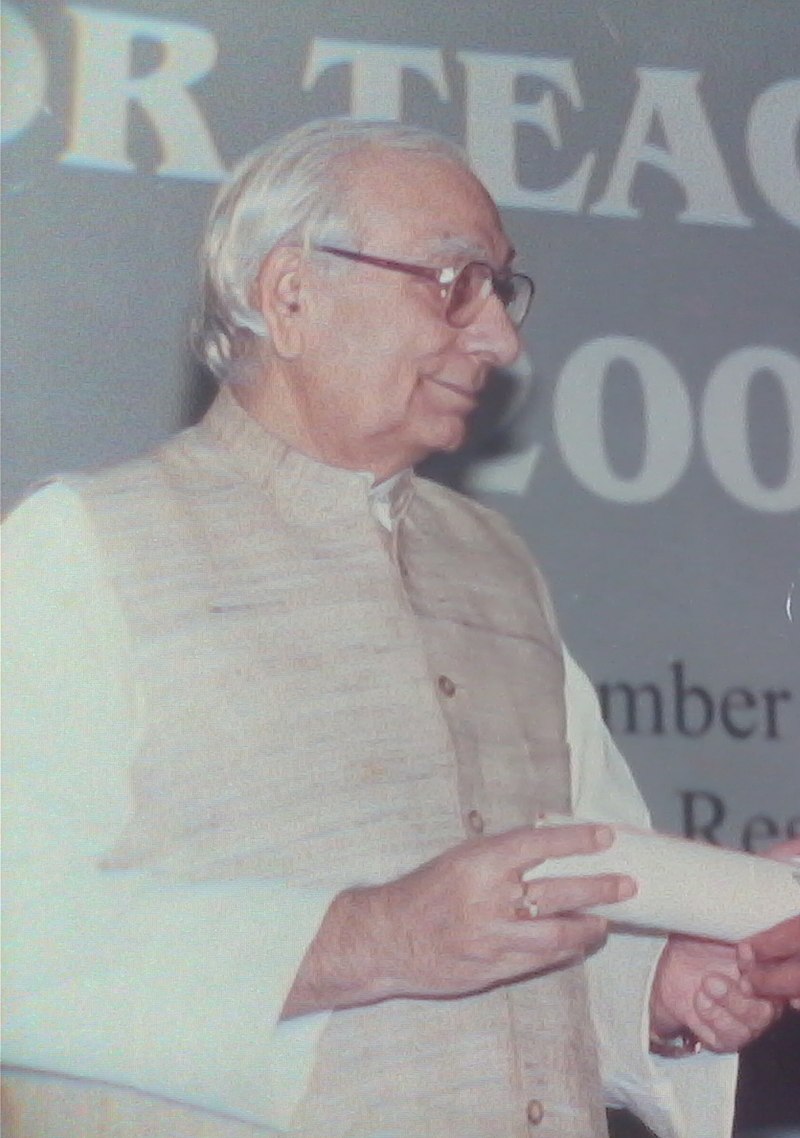
Krishan Kant, a prominent figure in Indian politics, commenced his journey towards political leadership from Banaras Hindu University (BHU), where his formative years laid the groundwork for his illustrious career. This article delves into Krishan Kant's BHU education and examines how it influenced his political journey, shaping his leadership style and contributions to Indian governance.
Early Life and Education at BHU:
Born and raised in Uttar Pradesh, Krishan Kant's academic journey began with his enrollment at Banaras Hindu University for undergraduate studies. BHU, renowned for its academic excellence and vibrant campus life, provided Kant with a conducive environment to nurture his passion for public service and political activism. His years at BHU were characterized by intellectual stimulation, rigorous academic training, and active engagement in student politics.
The Influence of BHU Education:
Krishan Kant's BHU education played a pivotal role in shaping his political journey by instilling in him a strong sense of social responsibility, ethical values, and leadership skills. The university's emphasis on holistic education, coupled with its rich tradition of intellectual discourse, equipped Kant with the knowledge and confidence to navigate the complexities of Indian politics. Moreover, BHU's diverse student body and vibrant campus culture exposed Kant to a wide range of perspectives and ideologies, broadening his understanding of socio-political issues.
Political Journey:
Krishan Kant's political journey is a testament to his commitment to serving the people and upholding democratic values. After completing his education at BHU, Kant entered active politics and quickly rose through the ranks, holding various leadership positions within the Indian National Congress party and the government. His tenure as a Member of Parliament and Vice President of India was marked by initiatives aimed at promoting social justice, economic development, and good governance.
Leadership and Governance:
As a political leader, Krishan Kant demonstrated exemplary leadership qualities, including integrity, empathy, and inclusivity. Drawing upon the values instilled during his BHU education, Kant prioritized the welfare of the people and worked towards addressing their needs and aspirations. His governance approach focused on transparency, accountability, and participatory decision-making, earning him respect and admiration from colleagues and constituents alike.
Contributions to Indian Politics:
Krishan Kant's contributions to Indian politics extend beyond his roles in government and party leadership. He actively engaged in legislative debates, policy formulation, and advocacy for social reforms, leaving a lasting impact on the country's political landscape. Kant's efforts to promote democratic values, social harmony, and inclusive development reflect his unwavering commitment to the ideals of justice and equality.
BHU Alumni Reflect on Kant's Legacy:
As BHU alumni, we take pride in Krishan Kant's remarkable achievements and his enduring legacy in Indian politics. His journey from a BHU student to a respected political leader exemplifies the transformative power of education and the profound influence of alma mater in shaping the destinies of visionary leaders. Kant's contributions to governance, coupled with his integrity and dedication to public service, serve as an inspiration for future generations of politicians and policymakers.
Conclusion:
In conclusion, Krishan Kant's BHU education played a significant role in shaping his political journey and influencing his contributions to Indian governance. His experiences at the university instilled in him the values of leadership, integrity, and social responsibility, which guided his actions and decisions as a political leader. As we reflect on Krishan Kant's BHU education and political journey, we gain insights into the transformative potential of education in shaping the destinies of leaders and the enduring legacy of alma mater in nurturing principled leadership and governance.