
Unraveling the Mysteries: Exploring the History and Architecture of Jaunpur Fort
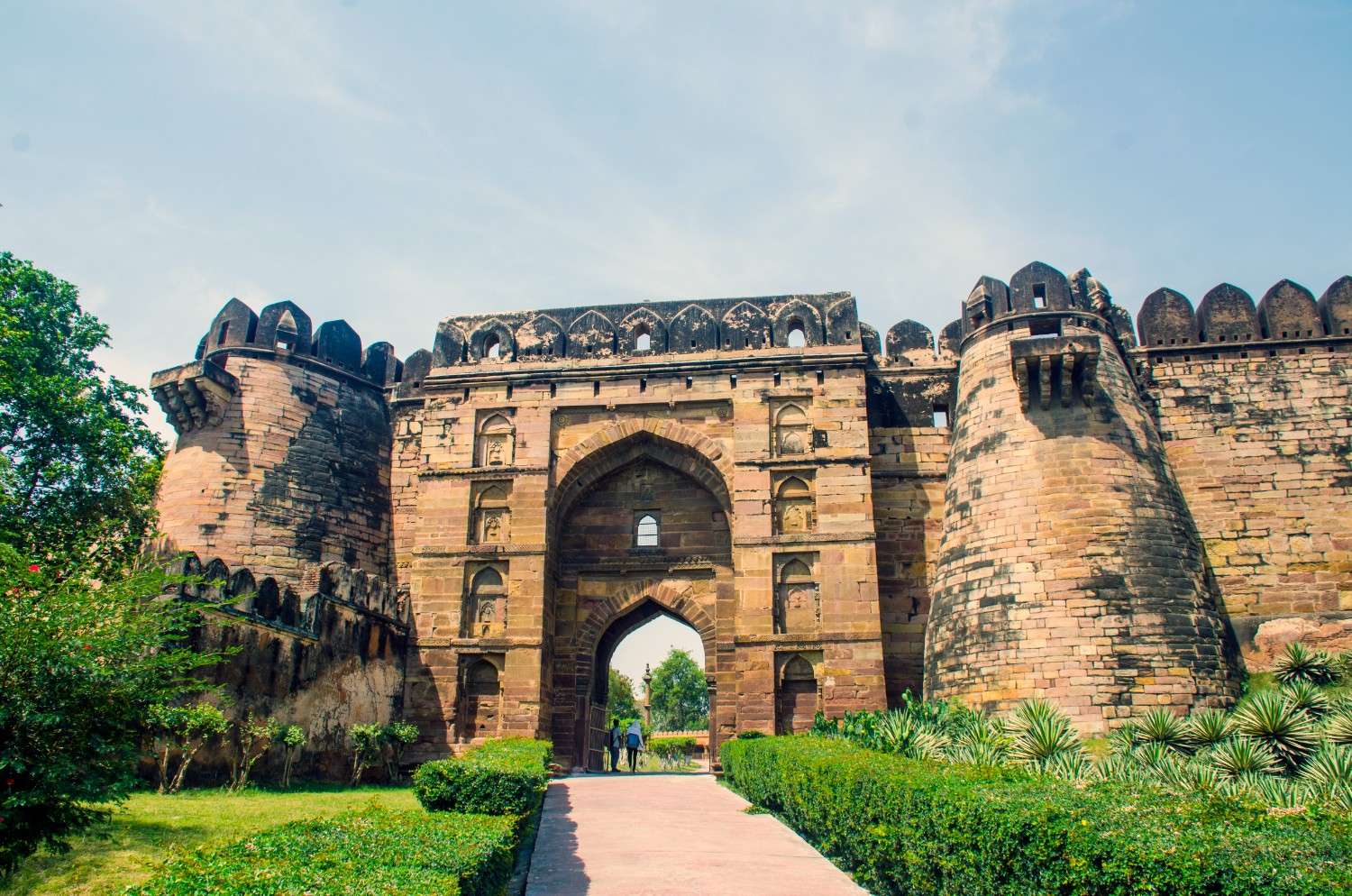
Nestled in the historic city of Varanasi, Uttar Pradesh, Jaunpur Fort stands as a testament to the rich tapestry of India's past. This imposing fortress, with its intricate architecture and storied history, beckons travelers and history enthusiasts alike to embark on a journey through time.
History of Jaunpur Fort:
Jaunpur Fort, also known as Shahi Qila, was constructed in the 14th century during the reign of Feroz Shah Tughlaq, the Sultan of Delhi. Its strategic location along the banks of the Gomti River served as a crucial defense against invaders and played a significant role in shaping the region's history.
The fort gained prominence during the Sharqi dynasty, when Jaunpur served as the capital of the Jaunpur Sultanate. Under the rule of Sultan Ibrahim Shah, the fort underwent extensive renovations, transforming it into a formidable stronghold adorned with magnificent palaces, mosques, and gates.
Architecture of Jaunpur Fort:
The architecture of Jaunpur Fort is a splendid amalgamation of Persian, Afghan, and Indian styles, reflecting the diverse cultural influences that swept through the region during its heyday. The fort's massive walls, punctuated by bastions and watchtowers, bear testament to its military significance.
One of the most striking features of Jaunpur Fort is its imposing entrance gate, known as the Akbari Darwaza. Constructed during the Mughal era, this grand gateway showcases exquisite craftsmanship and intricate carvings, serving as a gateway to the fort's storied past.
Monuments within Jaunpur Fort:
Within the sprawling complex of Jaunpur Fort lie several architectural marvels that offer glimpses into the region's rich heritage. The Jama Masjid, built by Sultan Ibrahim Shah, stands as a masterpiece of Islamic architecture, with its towering minarets and intricately designed prayer halls.
Adjacent to the Jama Masjid is the Shahi Bridge, a marvel of medieval engineering that spans the Gomti River. Built by Sultan Husain Shah Sharqi, this ancient bridge served as a vital link between the fort and the city, facilitating trade and commerce during the Sultanate era.
Historical Significance:
Jaunpur Fort bears witness to numerous historical events that have shaped the course of Indian history. From the rise and fall of empires to the cultural exchanges that took place within its walls, the fort remains a living testament to the resilience and spirit of the people who once inhabited it.
Exploring Jaunpur Fort Today:
Today, Jaunpur Fort stands as a symbol of Varanasi's rich cultural heritage, drawing visitors from far and wide to explore its majestic halls and picturesque surroundings. With its towering ramparts and panoramic views of the Gomti River, the fort offers a glimpse into a bygone era.
Conclusion:
In conclusion, Jaunpur Fort stands as a living testament to the rich history and architectural prowess of the region. From its humble beginnings as a defensive bastion to its transformation into a grand citadel, the fort continues to captivate the imagination of all who visit, offering a window into the past that is as enlightening as it is enchanting.