
Unveiling the Beauty of Gulabi Meenakari: Varanasi's Traditional Craftsmanship
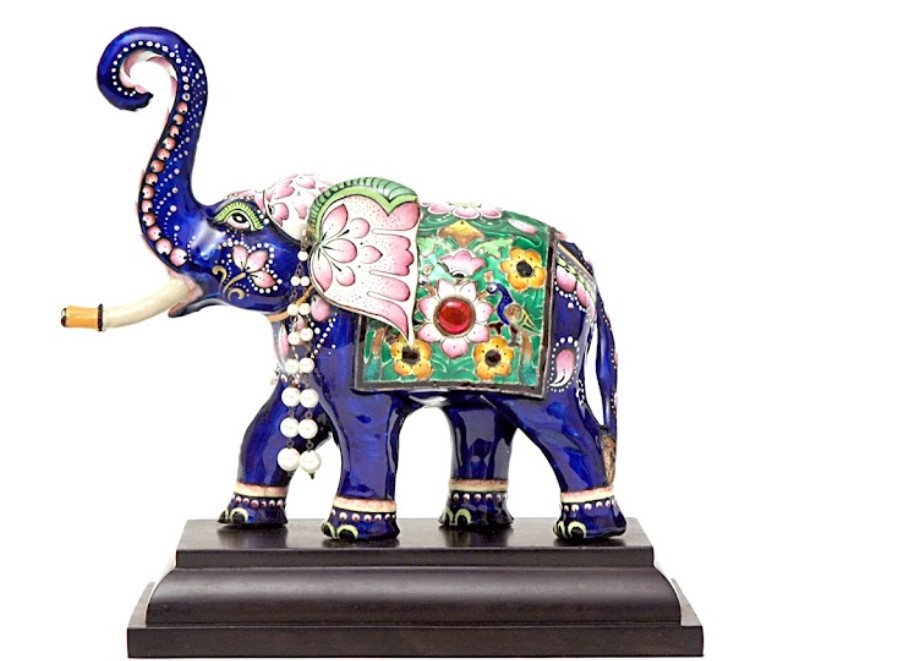
Nestled along the banks of the sacred Ganges River, Varanasi is renowned for its rich tapestry of cultural heritage and artisanal craftsmanship. Among its many treasures lies the ancient art of Gulabi Meenakari, a traditional form of enamel work that has adorned jewelry and artifacts for centuries. In this exploration, we delve into the beauty of Gulabi Meenakari, unraveling its intricate designs, vibrant colors, and enduring legacy as a symbol of Varanasi's artistic process.
The Origins of Gulabi Meenakari:
Gulabi Meenakari traces its origins to the Mughal era, when skilled artisans were commissioned to create exquisite jewelry and decorative pieces for royalty and nobility. The term "Gulabi" translates to "pink" in Hindi, referring to the distinctive rose-colored enamel that is a hallmark of this art form. Meenakari, on the other hand, is derived from the Persian word "mina," meaning enamel.
Varanasi emerged as a prominent center for Gulabi Meenakari craftsmanship, attracting talented artisans who perfected the intricate techniques of fusing enamel onto metal surfaces. Over the centuries, Varanasi's artisans honed their skills, passing down their knowledge from generation to generation and imbuing each piece with a sense of timeless elegance and beauty.
The Artistic Process:
Creating Gulabi Meenakari involves a meticulous and labor-intensive process that requires exceptional precision and craftsmanship. The journey begins with skilled artisans shaping the base metal, typically gold or silver, into intricate designs and patterns. These designs serve as the canvas upon which the enamel will be applied.
Next comes the delicate process of enameling, where powdered glass is mixed with metallic oxides to create vibrant hues of pink, blue, green, and red. The enamel is carefully applied to the metal surface using fine brushes or droppers, with each layer fired in a kiln to achieve the desired color and luster. Finally, the piece is polished to perfection, revealing the radiant beauty of Gulabi Meenakari in all its glory.
Intricate Designs and Vibrant Colors:
What sets Gulabi Meenakari apart is its exquisite craftsmanship and the mesmerizing interplay of colors and patterns. From intricately detailed floral motifs to geometric shapes and celestial symbols, each design tells a story of tradition, culture, and artistic expression. The vibrant hues of enamel, ranging from soft pastels to rich jewel tones, evoke a sense of opulence and grandeur, making Gulabi Meenakari pieces coveted treasures among connoisseurs of Indian jewelry.
Varanasi's Artisanal Legacy:
Varanasi's legacy as a center of artistic excellence is deeply intertwined with the tradition of Gulabi Meenakari. For centuries, the city has been a hub of creativity and innovation, attracting patrons and admirers from far and wide. Today, Varanasi's artisans continue to uphold the tradition of Gulabi Meenakari, preserving its techniques and aesthetics for future generations to cherish.
As visitors wander through the bustling lanes of Varanasi, they encounter a myriad of shops and workshops where Gulabi Meenakari pieces are proudly displayed. From ornate necklaces and earrings to intricately crafted bangles and ornaments, each piece is a testament to the skill and dedication of the artisans who bring them to life.
Conclusion:
In the heart of Varanasi beats the soul of Gulabi Meenakari, a timeless art form that embodies the city's cultural heritage and artistic spirit. Through its intricate designs, vibrant colors, and exquisite craftsmanship, Gulabi Meenakari unveils the beauty of Varanasi's traditional craftsmanship, captivating the senses and inspiring admiration for generations to come. As an enduring symbol of artistic excellence, Gulabi Meenakari continues to enchant and delight, weaving a tapestry of beauty and elegance that transcends time and space.